Can Dogs Eat Cat Food? Vet-Approved Safety, Risks, and What to Do If It Happens
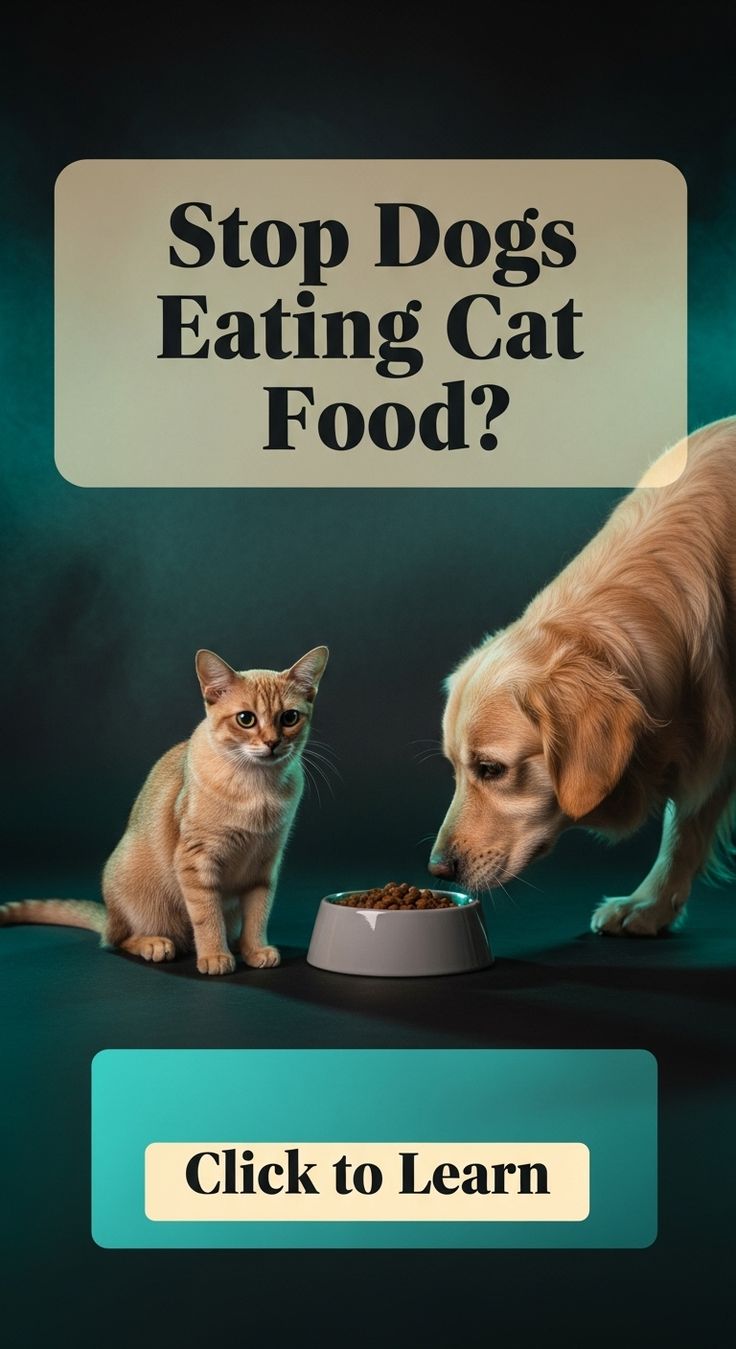
Can dogs eat cat food? It is a most common question for at least 38% of American households raising both feline and canine to provide a veterinary an exact answer. While occasional consumption may not cause immediate emergency, frequent consumption can lead to digestive issues like vomiting or diarrhea, as well as pancreatitis and obesity. Dogs and cats have different digestive functional systems, which have different requirements , basically, cats are carnivorous and require a meat and protein and fat diet, while dog is omnivorous and demand nutrition with meat, vegetables and carbs . Cat food is a nutritionally imbalanced product. It contains higher levels of protein and fat than dog food. A typical cat kibble has 30-45% more protein than the 18-26% in AAFCO-approved dog food.
Can Dogs Eat Cat Food? Every pet owner should know

Dogs and cats have different needs according to their biological body . Basically both animals are carnivores but dogs are omnivores and they dont just need meat they also eating vegetables . Cats are carnivores who must get all their nutrients from animals.
DIET DIFFERENCES BY BOTH SPECIES
Protein Content: cat food has more protein then dog foodDog food contains 18-26% protein, while cat food has 30-50%. This formulation is higher in protein to meet the unique metabolic requirements of cats, but it’s also more than what dogs need.
Fat Content: Cat foods contain a higher level of fat to support feline metabolism. Dogs love the richness, but it can be too much for their digestive system.
Essential Amino Acids Cats need the amino acid taurine to prevent dilated heart disease, but dogs can make taurine by combining other amino acids. Cat food is overly rich in taurine because cat food is formulated specifically with it.
Vitamin Needs Cat food can contain higher levels of vitamins, such as D and A. These are fine for cats, but may be too much for dogs. These levels are high enough to cause toxicity issues with prolonged consumption.
Why Dogs Find Cat Food Repelling:
Dogs are attracted to the meaty, high protein and high fat composition of cat food, as well as their enticing smell and taste. Dogs are attracted to cat food because of its richer flavor and strong taste.
2. Can Dogs Eat Canned Cat Food? The Dangers of Wet Formulation

A major concern for multi-pet owners is, “can dogs eat canned cat food,” specifically because wet food is often more enticing to dogs. Canned cat food is engineered with intense flavor enhancers, artificial aromas, and significantly higher fat content to satisfy a cat’s specific predatory palate. For a dog, these rich ingredients act as a “fat bomb,” which can irritate the lining of the stomach and intestines almost immediately. Furthermore, wet cat food contains specific animal digests that are much higher in phosphorus, which can be detrimental to a dog’s urinary health over long-term exposure.
-
Lipid Overload: Wet food contains concentrated fats that trigger gastric distress.
-
Phosphorus Levels: High mineral content can lead to canine bladder stones.
-
Artificial Enhancers: Flavorings in wet cat food can trigger canine skin allergies.
-
Osmotic Diarrhea: The richness draws water into the bowels, causing runny stools.
-
Bacterial Risks: Wet food spoils faster, posing a higher risk of salmonella for scavengers.
-
Dental Impact: Soft wet food provides zero abrasive cleaning for canine teeth.
3. Can a Dog Die From Eating Cat Food? Identifying Lethal Risks
It is a sobering question: “can a dog die from eating cat food?” While not toxic in the same way as chocolate or grapes, cat food can be indirectly fatal through secondary conditions like Acute Pancreatitis. This occurs when the high fat content in cat food triggers the pancreas to release digestive enzymes prematurely, causing the organ to digest itself. In senior dogs or those with underlying conditions, the sudden protein spike can also trigger “Uremic Poisoning,” where the kidneys fail to filter protein waste, leading to a fatal buildup of toxins in the bloodstream.
-
Acute Pancreatitis: The #1 life-threatening risk associated with high-fat cat food.
-
Renal Failure: Excessive protein creates a nitrogen spike that can collapse the kidneys.
-
Hemorrhagic Gastroenteritis: Severe bloody diarrhea that leads to rapid dehydration.
-
Hepatic Lipidosis: The liver becomes overwhelmed by processing feline-grade fats.
-
Cardiac Strain: Excessive weight gain from cat food puts pressure on the heart.
-
Vitamin A Toxicity: Overdose of Vitamin A in cat food can cause bone spurs and death.
4. Why the High Protein in Cat Food Strains Canine Kidneys
The kidneys are the body’s primary filtration system, and in dogs, they are optimized for a specific range of protein intake. Cat food provides a “hyper-protein” environment that forces the kidneys into a state of hyper-filtration. This is particularly dangerous for breeds prone to kidney disease or senior dogs. Over time, the microscopic filters (nephrons) in the kidneys become scarred from the constant pressure of processing feline-level nitrogen levels, leading to irreversible chronic kidney disease (CKD).
-
Glomerular Pressure: High protein increases the pressure inside kidney filters.
-
Nitrogenous Waste: Cat food produces more urea than a dog’s system can handle.
-
Dehydration Risk: Processing excess protein requires the dog to use more water.
-
Micro-Scarring: Long-term cross-feeding leads to permanent renal tissue damage.
-
Senior Vulnerability: Older dogs lack the kidney reserve to process cat kibble safely.
-
Blood Pressure: High-protein diets can lead to systemic hypertension in canines.
5. Pancreatitis: The Silent Trigger in Feline Diets
The canine pancreas is highly sensitive to fat levels, and cat food is intentionally high in fats (lipids) to support feline energy. When a dog raids the cat’s bowl, their pancreas is forced to produce massive amounts of lipase. If the system is overwhelmed, the pancreas becomes inflamed. This condition is excruciatingly painful for the dog and often requires hospitalization, IV fluids, and a strict “nil per os” (nothing by mouth) medical protocol to allow the organ to recover.
-
Enzyme Misactivation: Enzymes begin breaking down the pancreas instead of food.
-
Abdominal Pain: Dogs will often adopt a “prayer position” (front legs down, rear up).
-
Chronic Recurrence: Once a dog has pancreatitis, they are prone to it for life.
-
Systemic Inflammation: The inflammation can spread to the liver and gallbladder.
-
Vomiting Cycles: Persistent, bile-stained vomiting is a hallmark symptom.
-
Financial Cost: Treating a case of pancreatitis can cost thousands in vet bills.
6. Vitamin A Toxicity: The Hidden Danger of Feline Formulas
Cat food is heavily supplemented with Vitamin A because cats cannot convert beta-carotene from plants. Dogs, however, are very efficient at this conversion. When a dog eats cat food, they are getting a “pre-formed” dose of Vitamin A on top of what their body already produces. This results in Vitamin A toxicity (Hypervitaminosis A), which causes abnormal bone growths, joint stiffness, and a significant decrease in the dog’s quality of life as they age.
-
Bone Spurs: Excessive Vitamin A causes painful growth along the spine and joints.
-
Joint Stiffness: The dog may appear “arthritic” but is actually suffering from toxicity.
-
Skin Health: Paradoxically, too much Vitamin A causes dry, flaky, and itchy skin.
-
Liver Storage: Excess vitamins are stored in the liver, leading to long-term damage.
-
Coat Dulling: The fur loses its luster and becomes brittle or greasy.
-
Nervous System Issues: Extreme toxicity can lead to tremors or lack of coordination.
7. The Obesity Epidemic in Multi-Pet Households
One of the most common reasons for canine obesity in the US is “bowl-sharing” or scavenging cat food. Because cat food is more calorically dense, a dog eating even a small portion of it is effectively consuming a second dinner. This leads to rapid weight gain, which exacerbates joint issues like hip dysplasia and increases the risk of developing canine diabetes. For a small dog, just a few nuggets of cat kibble are equivalent to a full chocolate bar for a human.
-
Caloric Overshoot: Cat food packs more calories into a smaller volume of food.
-
Insulin Resistance: Constant high-calorie intake can trigger Type II Diabetes.
-
Joint Degradation: Extra weight puts immense strain on the ACL and hips.
-
Respiratory Stress: Obese dogs struggle to breathe during exercise or heat.
-
Metabolic Syndrome: A total disruption of the dog’s fat-burning capabilities.
-
Lifespan Reduction: Overweight dogs live, on average, 2.5 years less than fit dogs.
8. Taurine and Heart Health: The Misconception
Many owners believe cat food is “healthier” because it contains Taurine, an amino acid linked to heart health. However, healthy dogs synthesize their own Taurine from other amino acids found in dog food. When a dog consumes the pre-formed Taurine in cat food, it doesn’t offer “extra” heart protection; instead, it contributes to an amino acid imbalance that can disrupt the natural production of other essential enzymes.
-
Self-Synthesis: Dogs naturally produce Taurine; cats do not.
-
Amino Imbalance: Too much of one amino acid can block the absorption of another.
-
Dilated Cardiomyopathy (DCM): Unbalanced diets are a known contributor to heart issues.
-
False Security: Owners think they are helping the heart while harming the kidneys.
-
Natural Sources: Dog food provides the precursors (Cysteine/Methionine) dogs need.
-
Metabolic Waste: The dog’s body must work to expel the excess Taurine it doesn’t need.
9. Behavioral Scavenging: Why Your Dog Is “Addicted” to Cat Food
To understand this behavior, we must look at “palatability enhancers.” Manufacturers add animal-fat coatings to cat food to entice finicky felines. To a dog, this smells like pure, high-value protein. This creates a behavioral feedback loop where the dog begins to prefer the “junk food” (cat food) over their own nutritionally balanced meals, often leading to “hunger strikes” where the dog refuses dog food in hopes of getting the cat’s leftovers.
-
Olfactory Stimuli: The smell of cat food is 5x stronger than standard dog kibble.
-
Fat Addiction: Dogs are evolutionarily wired to seek out the highest fat source.
-
Resource Guarding: Stolen food feels like a “high-value prize” to a dog.
-
Hunger Strikes: Dogs may stop eating their own food to hold out for cat food.
-
Scavenging Instinct: Domestic dogs still retain the drive to “find” extra calories.
-
Dopamine Hit: The high fat content triggers a pleasure response in the canine brain.
10. Puppy Risks: Why Growth Stages Matter Most
Feeding cat food to a puppy is significantly more dangerous than feeding it to an adult dog. Puppies require a very precise ratio of Calcium to Phosphorus for their bones to grow correctly. Cat food ratios are designed for feline bone structures, which can cause a puppy to develop skeletal deformities, “knobby” joints, or even stunted growth. A puppy’s developing organs are also much more susceptible to the protein-induced kidney strain mentioned earlier.
-
Skeletal Deformity: Improper calcium-phosphorus ratios lead to weak bones.
-
Growth Spurts: Excessive calories can cause bones to grow too fast for muscles.
-
Organ Development: Immature kidneys cannot handle feline protein levels.
-
Digestive Sensitivity: Puppies are 3x more likely to develop severe diarrhea.
-
Immune Suppression: Lack of canine-specific antioxidants weakens the puppy.
-
Long-Term Habits: Puppies raised on cat food are harder to transition to dog food.
11. Practical Management: Ending the Cat Food Habit
Managing a multi-pet household requires environmental changes, not just training. Since you cannot “reason” with a dog’s nose, you must use barriers. SEO-wise, providing “how-to” solutions like these helps capture “Answer Box” results. By physically separating the feeding areas, you reduce the dog’s stress (seeking food) and the cat’s stress (protecting food), leading to a more harmonious household.
-
Elevated Feeding: Place cat bowls on counters or sturdy cat trees.
-
Microchip Bowls: Use feeders that only open for the cat’s specific ID tag.
-
The “Cat Door” Strategy: Use baby gates with small cat-sized openings.
-
Scheduled Meals: Stop “free-feeding” to ensure no leftovers are left for the dog.
-
Training “Leave It”: Use high-value dog treats to reinforce ignoring the cat bowl.
-
Separate Rooms: Feed the pets on opposite sides of a closed door.
12. Safe Emergency Alternatives to Cat Food
If you run out of dog food, do not use cat food as a backup. There are several “human” foods that are safer and more balanced for a dog’s short-term needs. These items provide the bulk and protein a dog needs without the dangerous fat concentrations found in cat food. Keeping these staples in your pantry ensures you are never forced to compromise your dog’s health during a late-night food shortage.
-
Boiled Chicken: Lean, plain protein that is easy on the canine stomach.
-
Plain White Rice: Provides energy and helps firm up the stool.
-
Canned Pumpkin: (Pure pumpkin only) provides essential fiber and digestion aid.
-
Scrambled Eggs: A safe, bioavailable protein source for dogs.
-
Boiled Carrots: Provides vitamins and a satisfying crunch without the fat.
-
Lean Ground Turkey: A great low-fat alternative to high-protein cat kibble.
FAQS
1. Can my dog eat cat food?
Technically, yes, your dog can eat cat food in a one-time emergency, but it should never be a primary diet. While cat food is not “toxic” like chocolate, it is nutritionally imbalanced for canines. Frequent ingestion leads to severe health complications like acute pancreatitis, obesity, and kidney strain due to the excessively high protein and fat levels.
-
Emergency Only: Only use cat food if you are completely out of dog food and have no lean meats available.
-
Protein Levels: Cat food contains 30-50% protein, which is far too high for a dog’s daily needs.
-
Lack of Fiber: Dogs need fiber for digestion, which feline formulas lack.
-
Vitamin Overdose: Excessive Vitamin A in cat food can cause bone spurs in dogs.
-
Digestive Upset: Expect vomiting or diarrhea if your dog steals a large portion.
2. Can dogs eat cat wet food?
Dogs can eat cat wet food, but it is the most dangerous feline formula for them. Wet cat food is highly concentrated with fats and artificial flavor enhancers to satisfy feline palates. For dogs, this “fat bomb” is a leading trigger for Acute Pancreatitis, a life-threatening inflammation of the pancreas that requires immediate veterinary care.
-
High Fat Risk: Wet food is much richer than dry kibble, putting instant strain on the liver.
-
Caloric Density: A small can of cat food often has the calories of a full bowl of dog food.
-
Addictive Nature: The strong aroma makes dogs refuse their healthy food.
-
Stomach Irritation: The rich animal digests used in wet food often cause “osmotic diarrhea.”
-
Dental Issues: Wet food lacks the abrasive texture needed to clean canine teeth.
3. Can dogs eat hard cat food?
Yes, dogs can eat hard cat food (kibble), but the small, dense pieces are a significant choking hazard for larger dogs and a “calorie trap” for smaller ones. Hard cat food is designed for a cat’s high-burn metabolism; when a dog eats it regularly, they suffer from rapid weight gain and increased pressure on their kidneys to filter out excess nitrogen.
-
Choking Hazard: The tiny kibble size is not designed for canine chewing patterns.
-
Kidney Strain: High protein levels force canine kidneys to work at 2x their normal capacity.
-
Obesity Link: Kibble is often coated in animal fats that cause rapid canine fat storage.
-
Metabolic Stress: It disrupts the dog’s natural ability to process carbohydrates.
-
Dehydration: High-protein kibble requires the dog to drink significantly more water to process.
4. Why can’t dogs eat cat food?
Dogs cannot eat cat food because of a fundamental biological mismatch: Cats are obligate carnivores, while dogs are omnivores. Cat food is formulated to meet a cat’s requirement for animal tissue-based proteins and fats. Dogs, however, require a balanced intake of fiber, vegetables, and moderate protein. Feeding a dog cat food is like a human living exclusively on high-fat protein shakes—it lacks the essential nutrients for long-term survival.
-
Biological Needs: Dogs need complex carbs and fiber; cat food has almost none.
-
Organ Overload: Canine livers and kidneys aren’t built for “feline-grade” protein levels.
-
Taurine Imbalance: Dogs make their own Taurine; excess amounts in cat food can cause metabolic issues.
-
Vitamin A Toxicity: Cats need much more Vitamin A than dogs can safely handle.
-
Inflammation: The high-fat content causes systemic inflammation in the canine gut.
5. Why dogs can’t eat cat food?
The primary reason dogs can’t eat cat food is that the nutrient ratios are clinically inappropriate for the canine species. Specifically, the Calcium-to-Phosphorus ratio and the Lipid-to-Fiber ratio in feline diets are engineered for a cat’s shorter digestive tract. In a dog’s longer digestive system, these ratios lead to toxic byproduct buildup, skeletal issues (especially in puppies), and chronic gastrointestinal distress.
-
Urea Buildup: High protein causes nitrogen waste that poisons a dog’s bloodstream.
-
Bone Health: Improper mineral ratios in cat food can weaken canine bones over time.
-
Enzyme Deficiency: Dogs lack the specific enzymes needed to break down “pre-formed” feline nutrients.
-
Pancreatic Stress: The canine pancreas cannot handle the “lipid spikes” found in cat diets.
-
Behavioral Issues: Cross-feeding leads to “food obsession” and resource guarding.
Final Verdict: The Long-Term Impact of Cross-Species Feeding
In the final analysis, while the occasional theft of a few feline kibbles may not constitute a veterinary emergency, the biological consensus is clear: cat food is not a safe or sustainable diet for dogs. The fundamental divide between an obligate carnivore (cat) and an opportunistic omnivore (dog) means that their nutritional blueprints are incompatible. Feeding a dog cat food bypasses their natural metabolic requirements, replacing essential fiber and complex carbohydrates with a “metabolic overload” of proteins and lipids. This shift in macronutrient ratios doesn’t just lead to weight gain; it creates a systemic environment ripe for acute pancreatitis, renal hypertension, and hepatic stress.
To ensure your pet maintains optimal metabolic homeostasis and avoids the long-term risks of nutrient toxicity or organ failure, it is vital to respect the dietary boundaries of each species. As a responsible pet owner, maintaining strict feeding zones is the most effective way to prevent the silent progression of chronic diseases. If your dog has ingested a significant amount of cat food and displays signs of gastrointestinal distress or lethargy, consult your veterinarian immediately to rule out pancreatic inflammation.
Conclusion Summary
-
Biological Mismatch: Dogs are omnivores requiring balanced fiber; cats are carnivores requiring high protein/fat.
-
Clinical Risks: Regular ingestion triggers Acute Pancreatitis, kidney failure, and obesity.
-
Nutrient Imbalance: Cat food lacks the fiber dogs need and contains excessive Vitamin A and Taurine.
-
AAFCO Standards: Feline formulas do not meet the nutritional profiles required for canine longevity.
-
Preventative Action: Use elevated feeders or microchip bowls to maintain separate dietary environments.
-
Expert Recommendation: Always prioritize AAFCO-approved canine diets to support long-term organ health and vitality