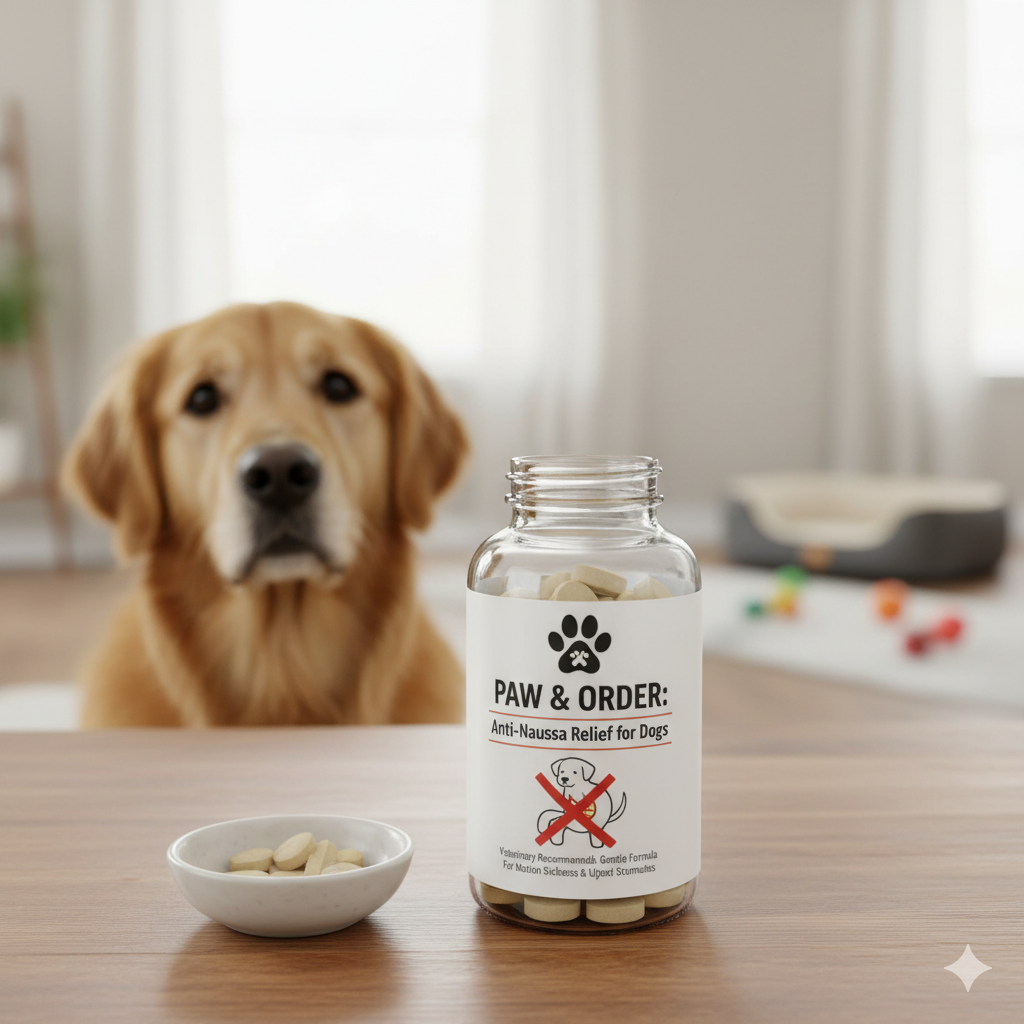
Anti Nausea for Dogs: A Complete Guide to Helping Your Pup Feel Better
Watching your dog feel unwell is never easy. When nausea strikes, your furry friend may become lethargic, refuse their favorite treats, or seem uncomfortable. Understanding what causes dog nausea and how to address it can help you provide relief and know when it’s time to seek veterinary care.
Nausea in dogs is more common than many pet owners realize. It can stem from simple issues like motion sickness or signal more serious health concerns. The good news? Many cases of dog nausea can be managed at home with the right approach, while knowing the warning signs ensures your pup gets professional help when needed.
This guide will walk you through everything you need to know about anti nausea for dogs, from identifying symptoms to exploring treatment options and prevention strategies.
What Causes Nausea in Dogs?
Dog nausea can result from various factors, ranging from minor to serious. Common causes include:
Motion Sickness: A study published in the Journal of Veterinary Internal Medicine found that motion sickness affects up to 20% of dogs, particularly during car rides. Puppies and younger dogs are especially susceptible because their inner ear structures are still developing.
Dietary Issues: Eating too quickly, sudden diet changes, or consuming spoiled food can upset your dog’s stomach. Some dogs also have food sensitivities or allergies that trigger nausea.
Medications: Certain medications, including antibiotics and pain relievers, may cause stomach upset as a side effect.
Gastrointestinal Problems: Conditions like inflammatory bowel disease, pancreatitis, or parasites can lead to chronic nausea.
Toxins: Ingesting toxic substances, from chocolate to household cleaners, often results in nausea and vomiting.
Stress and Anxiety: Just like humans, dogs can experience stomach upset when anxious or stressed.
Breed Predisposition: “Huskies, known for their sensitive stomachs, may experience nausea more frequently due to dietary changes or travel,” notes Dr. Sarah Lee, a canine nutrition expert. Other breeds with sensitive digestive systems may also be more prone to nausea.
Recognizing the Signs of Dog Nausea
Your dog can’t tell you they feel sick, so watch for these telltale symptoms:
- Excessive drooling or lip licking
- Repeated swallowing
- Loss of appetite or refusing food
- Lethargy or restlessness
- Whining or signs of discomfort
- Vomiting or dry heaving
- Changes in behavior, such as seeking isolation
If your dog displays these symptoms, monitor them closely and consider the context. Did they just eat something unusual? Were they recently in a car? Understanding the trigger helps determine the best course of action.
Anti Nausea For Dogs (Home Remedies)
For mild cases of nausea, you may be able to provide relief at home. Always consult your veterinarian before trying new remedies, especially if your dog has pre-existing health conditions.
Withhold Food Temporarily: Give your dog’s stomach a rest by withholding food for 12-24 hours. Make sure they still have access to fresh water to prevent dehydration.
Bland Diet: Once you reintroduce food, start with a bland diet. Boiled chicken (without skin or bones) and plain white rice are gentle on the stomach. You can also try veterinary-recommended options like Purina Pro Plan Veterinary Diets EN Gastroenteric Naturals or Hill’s Prescription Diet i/d Digestive Care.
Ginger: According to Dr. Emily Carter, DVM, “Ginger can be a safe and effective natural remedy for mild nausea in dogs, but always consult with your veterinarian for appropriate dosage.” Small amounts of fresh ginger or ginger supplements formulated for dogs may help settle their stomach.
Natural Supplements: Products like Tummy Calm contain ginger and other soothing herbs designed to ease digestive discomfort in dogs.
Small, Frequent Meals: Instead of one or two large meals, offer smaller portions throughout the day to reduce stomach stress.
Hydration: Encourage your dog to drink water, but don’t force it. Dehydration can worsen nausea and lead to more serious complications.
When to See Your Veterinarian
While home remedies work for minor cases, some situations require professional intervention. Contact your vet if:
- Nausea lasts more than 24 hours
- Your dog vomits repeatedly or shows signs of bloody vomit
- They refuse water or show signs of dehydration (dry gums, sunken eyes)
- Lethargy is severe or accompanied by weakness
- You suspect your dog ingested something toxic
- Nausea occurs alongside other symptoms like diarrhea, fever, or abdominal pain
- Your dog has a pre-existing condition that may complicate treatment
Dr. Mark Thompson, a veterinary gastroenterologist, advises, “If your dog is experiencing chronic nausea, it’s crucial to rule out underlying medical conditions with a thorough veterinary examination.” Prompt veterinary care can prevent complications and ensure your dog receives the right treatment.
Veterinary Treatment Options for Dog Nausea
Your veterinarian has several tools to diagnose and treat dog nausea effectively:
Prescription Anti-Nausea Medications: Cerenia (maropitant citrate) is a commonly prescribed medication that blocks nausea signals in the brain. It’s highly effective for motion sickness and other causes of nausea.
Over-the-Counter Options: In some cases, vets may recommend Dramamine (dimenhydrinate) for motion sickness. Never administer human medications without veterinary guidance, as dosages differ significantly.
Diagnostic Tests: If the cause of nausea isn’t obvious, your vet may perform blood work, X-rays, or ultrasounds to identify underlying issues.
IV Fluids: For dehydrated dogs, intravenous fluids restore hydration and help flush out toxins.
Treatment of Underlying Conditions: If nausea stems from a medical condition like pancreatitis or kidney disease, treating the root cause is essential for long-term relief.
Prevention Tips to Keep Your Dog Feeling Their Best
Preventing nausea is often easier than treating it. Try these strategies:
Maintain a Consistent Feeding Schedule: Feed your dog at the same times each day and avoid abrupt diet changes. When switching foods, do so gradually over 7-10 days.
Monitor What They Eat: Keep harmful foods and substances out of reach. Be cautious during walks to prevent your dog from eating unknown items.
Address Motion Sickness: If your dog gets carsick, take preventive measures like limiting food before travel, ensuring proper ventilation, and using anti-nausea medications as recommended by your vet.
Reduce Stress: Create a calm environment for anxious dogs. Use calming aids if needed, especially during stressful events like thunderstorms or fireworks.
Regular Vet Checkups: Routine veterinary visits help catch potential health issues before they cause symptoms like nausea.
Choose Quality Food: High-quality, easily digestible dog food can reduce the risk of stomach upset. Breeds prone to nausea, like Huskies, may benefit from specialized diets.
Keeping Your Dog Comfortable and Healthy
Dog nausea can be unsettling for both you and your pet, but with the right knowledge, you can provide effective relief and prevent future episodes. Start by identifying the cause, whether it’s motion sickness, dietary issues, or something more serious. Home remedies like bland diets and ginger can work wonders for mild cases, but don’t hesitate to seek veterinary care when symptoms persist or worsen.
Remember, every dog is unique. What works for one may not work for another, especially among breeds with sensitive stomachs. Stay observant, proactive, and always consult your veterinarian when in doubt. Your dog’s health and comfort are worth it.